PLEASURE STANDARD / PRACTICAL GUIDE
What Is Personal Lubricant? Types, Uses & How to Choose
A simple introduction to formula types, feel, compatibility and cleanup — the four things that shape most buying decisions.
Lubricant reduces friction
Formula type changes feel
Compatibility depends on what you pair it with
Cleanup preferences are personal
Examples worth comparing
These are examples to make the guide more concrete — use the specs and notes above to decide what fits your needs.
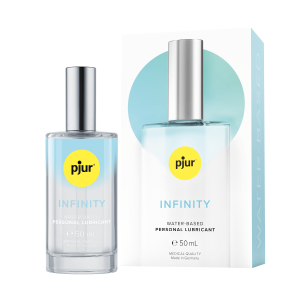
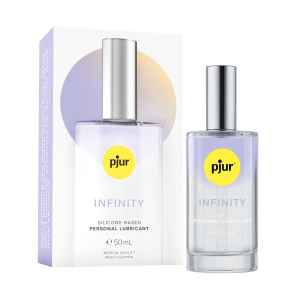
Personal lubricant reduces friction during sexual activity, toy use or other intimate contact. The right formula can make movement more comfortable, reduce drag and help protect sensitive skin from irritation caused by friction. The best choice depends on what you are using it with, how long you want it to last and how easy you want cleanup to be.
What is personal lubricant used for?
Lubricant is commonly used during vaginal or anal sex, masturbation and sex-toy use. It can also be useful when natural lubrication is lower than usual because of stress, medication, hormonal changes, hydration, age or simply personal variation.
Using lubricant does not mean anything is wrong. It is a practical product that changes friction and glide.
The main types of personal lubricant
Water-based lubricant
Water-based lubricant is the most versatile category. It is generally easy to wash off, works with most sex-toy materials and is typically compatible with latex condoms. Because the water in the formula gradually evaporates or absorbs, it may need to be reapplied during longer sessions.
Water-based formulas vary considerably. Some are thin and light; others are thicker gels designed to stay in place longer. Ingredients also differ, so people with sensitive skin may want simpler formulas.
Silicone lubricant
Silicone lubricant typically lasts longer and stays slicker than water-based lubricant. It does not evaporate as quickly and can work well for activities where long-lasting glide matters. Cleanup usually takes more effort.
The main compatibility issue is silicone toys. Some manufacturers advise against using silicone lubricant on certain silicone products because it may affect the surface. Always follow the toy manufacturer’s instructions rather than assuming every silicone-on-silicone combination is safe.
Oil-based lubricant
Oil-based products can provide long-lasting glide, but they require more compatibility checking. Oils can damage latex condoms and may be harder to clean from fabrics or toys. If barrier protection is involved, check the barrier manufacturer’s instructions before using any oil-based product.
Water-based vs. silicone lubricant
If you want the simplest general-purpose option, water-based lubricant is usually the easiest place to start. If longevity is the priority and compatibility is confirmed, silicone lubricant may last longer.
For a direct comparison, read our water-based vs. silicone lubricant guide.
How much lubricant should you use?
There is no universal amount. Start with a small quantity and add more as needed. The goal is comfortable glide without using so much that control or sensation becomes difficult. Some formulas spread much farther than others, so product texture matters.
How do you apply personal lubricant?
Apply a small amount to the body, condom, toy or other surface where friction occurs. For insertable toys, placing lubricant on both the toy and the body can make insertion more comfortable. Reapply when the surface starts to feel sticky or drag increases.
If a water-based lubricant becomes slightly tacky, a small amount of water can sometimes reactivate it, although results vary by formula.
What lubricant works with sex toys?
Water-based lubricant is the broadest default because it is compatible with most common toy materials. Silicone and oil formulas require more attention to material-specific guidance.
See our sex-toy lubricant compatibility guide before pairing a lubricant with an unfamiliar toy material.
What lubricant works with condoms?
Compatibility depends on the condom material. Water-based and silicone lubricants are commonly compatible with latex condoms, while oil-based products can weaken latex. Always follow the condom manufacturer’s instructions because barrier materials differ.
What ingredients should you look at?
Ingredient preference is personal. Some shoppers prefer fragrance-free, glycerin-free or simpler formulas because of sensitivity concerns. Marketing terms such as natural or organic do not automatically tell you whether a product will work well for your body.
If you have a history of irritation, compare ingredient lists and discontinue use if a product causes burning, itching or persistent discomfort.
Does thicker lubricant last longer?
Not necessarily. Thickness affects how a lubricant stays in place, while the base formula has a larger effect on how quickly it dries or absorbs. A thick water-based gel can still need reapplication sooner than a thinner silicone formula.
Our long-lasting lubricant guide explains the factors in more detail.
How should lubricant be stored?
Keep the bottle closed, clean and stored according to the manufacturer’s temperature guidance. Avoid contaminating the opening and replace products that have changed significantly in smell, texture or appearance or that are past their stated expiration period.
How to choose personal lubricant
Choose based on compatibility first, then feel and convenience. Ask four questions: What will I use it with? Do I need condom compatibility? How long do I want it to last? How important is easy cleanup?
When you are ready to compare formulas, browse the Pleasure Standard lubricant collection.