PLEASURE STANDARD / PRACTICAL GUIDE
What Makes a Lubricant Last Longer?
What changes how long lubricant stays slick, how often you may reapply and what tradeoffs come with longer-lasting formulas.
Formula base affects longevity
Thickness and residue vary within categories
Longer-lasting does not mean universally better
Compatibility still comes first
Examples worth comparing
These are examples to make the guide more concrete — use the specs and notes above to decide what fits your needs.
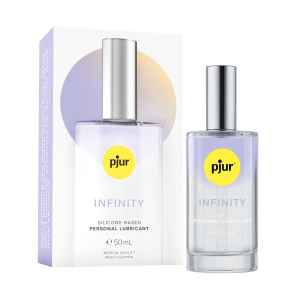
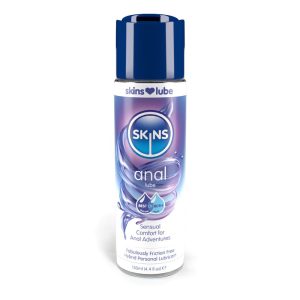
“Long lasting” is not one standardized measurement. How long a lubricant feels effective depends on the base formula, the amount used, friction, water exposure, temperature and individual preference.
Formula changes longevity
Water-based lubricants can lose moisture over time and may need reapplication. Silicone-based formulas generally evaporate more slowly and often feel slick for longer. Hybrid products fall somewhere between depending on the exact formulation.
More product is not always the answer
Using too much can make a formula messier without improving comfort. Start with a modest amount, add more as needed and pay attention to whether the issue is quantity or the formula itself.
Environment matters
Water, heat and friction can change how a lubricant behaves. A product that works well for a short session may not be the best fit for water exposure or prolonged use.
Compatibility comes first
A long-lasting formula is not useful if it conflicts with the toy, condom or other barrier being used. Check every relevant manufacturer before choosing based only on longevity.
Reapplication is normal
Needing to add lubricant is not a product failure. Comfort should be the priority. If a formula repeatedly becomes sticky, irritating or inconvenient, a different base may fit better.
Choose lubricant by use case and compatibility first, then compare how often you realistically want to reapply it.