PLEASURE STANDARD / PRACTICAL GUIDE
How to Choose Lubricant for a Sex Toy
A material-first compatibility checklist for combining toys and lubricant without relying on broad category assumptions.
Identify the toy material first
Read the lubricant label
Check both manufacturers
When guidance conflicts, use the more restrictive instruction
Examples worth comparing
These are examples to make the guide more concrete — use the specs and notes above to decide what fits your needs.
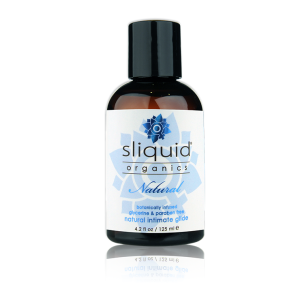
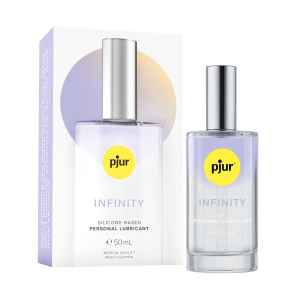
Lubricant compatibility is easiest to manage when you start with the toy material, then check the lubricant formula. Do not assume that every product with the same broad material label behaves identically.
Check the toy manufacturer first
Look for the care and lubricant guidance that came with the product or appears on the manufacturer’s site. If the company recommends or excludes a lubricant type, follow that instruction.
Water-based is often the simplest starting point
Water-based lubricant is commonly compatible with a wide range of toy materials and is easy to clean. That makes it a useful default when the manufacturer does not specify something different.
Be careful with silicone-on-silicone assumptions
Some manufacturers permit silicone lubricant with their silicone toys and others recommend against it. The correct answer depends on the specific materials and formulations, not a universal rule.
Think about barriers too
If condoms or other barriers are being used, the lubricant also needs to be compatible with that barrier material. Oil-based products, for example, are not appropriate with some common barrier materials.
Spot-test when guidance allows
If a manufacturer recommends testing compatibility, use a small inconspicuous area and follow its instructions. Stop using a combination if the surface becomes tacky, swollen, softened or otherwise changes.
The safest compatibility rule is simple: check the toy, lubricant and any barrier manufacturer rather than relying on a one-line material shortcut.