PLEASURE STANDARD / PRACTICAL GUIDE
Different Types of Personal Lubricant Explained
A four-way visual map of water, silicone, hybrid and oil-based formulas with compatibility and cleanup in mind.
Formula base changes feel and cleanup
Compatibility can vary by product
Hybrid formulas combine characteristics
Manufacturer instructions outrank category assumptions
Examples worth comparing
These are examples to make the guide more concrete — use the specs and notes above to decide what fits your needs.
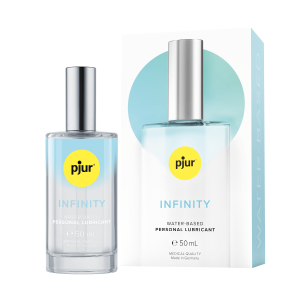
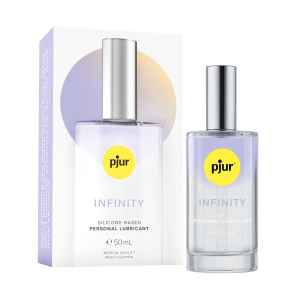
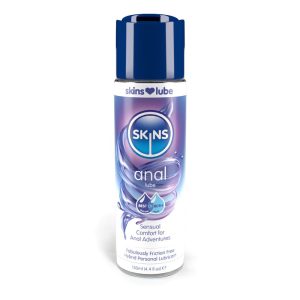
Personal lubricants are usually grouped by their base formula. The main categories are water-based, silicone-based, hybrid and oil-based, and each has different strengths and compatibility considerations.
Water-based lubricant
Water-based formulas are widely available, easy to clean and commonly compatible with many toy materials and condoms. They may dry sooner than silicone formulas and can require reapplication.
Silicone-based lubricant
Silicone formulas generally last longer and do not evaporate as quickly as water-based products. They can be useful when longer-lasting slip is the priority. Compatibility with silicone toys varies by product, so check both manufacturers before combining them.
Hybrid lubricant
Hybrid formulas combine water with a smaller amount of silicone or other ingredients. They can offer a different feel and longevity than a standard water-based product. Treat compatibility as product-specific rather than assuming every hybrid works with every material.
Oil-based lubricant
Oil-based formulas can feel long-lasting, but they are not compatible with every barrier method or toy material. If condoms or other barriers are part of the plan, check the barrier manufacturer’s instructions before use.
Ingredients matter too
People can have different sensitivities to fragrances, flavors, warming agents, glycerin or other additives. If irritation is a concern, simpler ingredient lists may be easier to evaluate.
The best category depends on use, cleanup, desired longevity and compatibility. The label “lube” is not enough; compare the actual formula and manufacturer guidance.