PLEASURE STANDARD / PRACTICAL GUIDE
How to Use a G-Spot Vibrator: Position, Pressure & What to Expect
A practical guide to position, curvature, pressure and control when using a targeted internal vibrator.
Curvature influences positioning
Angle can matter as much as power
Pressure should stay adjustable
Use product dimensions as your reference
Examples worth comparing
These are examples to make the guide more concrete — use the specs and notes above to decide what fits your needs.
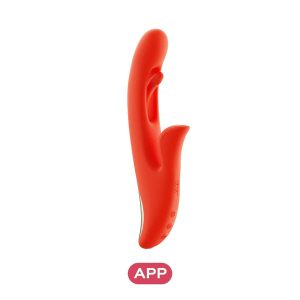
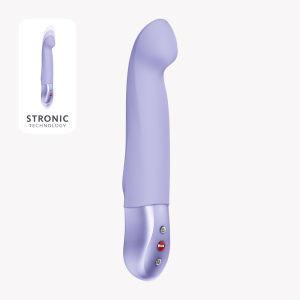
A G-spot vibrator is designed to make it easier to apply focused pressure to the front wall of the vagina. The defining feature is usually a curved or angled tip rather than simply more motor power. The best way to use one is slowly: learn the shape, use enough lubricant, start with low intensity and adjust pressure and angle before increasing vibration.
What makes a vibrator a G-spot vibrator?
Most G-spot vibrators use a curved shaft, bulbous tip or firm angled head. That shape is intended to press toward the front vaginal wall when the toy is inserted. Some models are relatively slim and flexible; others use a thicker, firmer head for more concentrated pressure. Neither approach is automatically better. The useful question is whether the dimensions, firmness and curvature match the kind of pressure you prefer.
If you are still deciding between basic shapes, start with our first vibrator guide and internal vibrator comparison guide.
1. Start with lubricant
Apply a small amount of compatible lubricant to the toy and the vaginal opening. Water-based lubricant is the simplest default for most toys because it is broadly compatible and easy to clean. Silicone lubricant can last longer, but always check the toy manufacturer’s instructions before using it on a silicone toy because compatibility can vary by formulation and finish.
For a deeper comparison, see water-based vs. silicone lubricant and how to choose lubricant for a sex toy.
2. Insert slowly and orient the curve forward
With the toy off or on its lowest setting, insert it slowly. If the vibrator has a clear curve, orient the curved tip toward the front of the body. You do not need to insert it as deeply as possible. For many people, controlled pressure and angle matter more than depth.
Pause if something feels sharp, numb, painful or simply wrong. A different angle, less depth or more lubricant may solve the issue. If discomfort continues, stop using that position or product.
3. Experiment with pressure before power
Once the head is positioned comfortably, try small rocking, lifting or shallow in-and-out movements. Many users find that a steady pressing motion feels different from rapid thrusting. This is why the firmness and shape of the head are important buying criteria: they determine how precisely pressure can be directed.
Only after finding a comfortable angle should you increase vibration. Stronger is not automatically better. Low and medium settings can make it easier to notice where the pressure is landing.
4. Try patterns last
Patterns can be useful, but they are easier to evaluate after you understand the toy’s basic speed range. Start with steady vibration. Then test pulses or waves if the toy offers them. If a product has two motors, learn each motor separately before combining them.
What should a beginner compare before buying?
- Insertable length: enough to reach comfortably without forcing depth.
- Maximum diameter: especially important if you prefer slimmer products.
- Tip firmness: firmer heads give more focused pressure; softer designs feel less concentrated.
- Curve: a pronounced curve can make targeting easier but may feel too aggressive for some users.
- Controls: simple buttons are easier to learn than a large pattern menu.
- Water resistance: useful for cleaning and shower use when the rating supports it.
- Material: check manufacturer-stated material and care instructions.
Can you use a G-spot vibrator externally?
Usually, yes. Many internal vibrators can also be used externally, although shape and motor placement affect how practical that is. If you want simultaneous internal and external stimulation from one product, a rabbit-style vibrator may be a better fit. See our rabbit vibrator guide.
How do you clean it?
Follow the manufacturer’s cleaning instructions. For a waterproof or water-resistant nonporous toy, cleaning typically involves mild soap and warm water or a compatible toy cleaner, followed by thorough rinsing and drying. Do not assume every rechargeable toy can be submerged. The exact water-resistance rating matters.
See how to clean silicone toys safely and how to store sex toys for more detail.
Shop by features, not hype
A useful G-spot vibrator does not need the most speeds or the strongest motor. Shape, size, firmness, controls and compatibility matter more than a long feature list. When you are ready to compare products, browse the Pleasure Standard vibrator collection and use dimensions and product specifications to narrow the field.