PLEASURE STANDARD / PRACTICAL GUIDE
How to Use a Vibrator: A Beginner Guide
A simple visual walkthrough for learning controls, pressure, positioning and care without overcomplicating the process.
Begin with lower settings
Change one variable at a time
Position and pressure matter
Clean according to manufacturer guidance
Examples worth comparing
These are examples to make the guide more concrete — use the specs and notes above to decide what fits your needs.
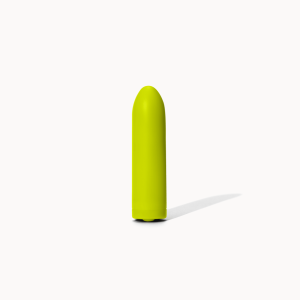
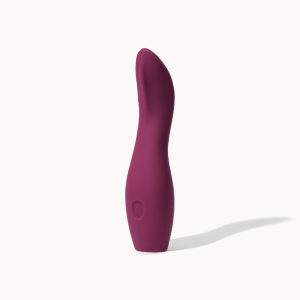
Using a vibrator does not need to be complicated. The best place to start is with a toy that feels manageable, a low setting, and enough time to learn what kind of pressure and vibration you actually enjoy.
This guide covers the basics: choosing a vibrator, getting comfortable with the controls, deciding where to use it, adjusting intensity, using lubricant, and cleaning it afterward.
Start with the right type of vibrator
Different vibrator shapes are designed for different kinds of stimulation. A small bullet or compact external vibrator is usually easy to control. A wand spreads vibration across a larger area. An internal vibrator is shaped for penetration, while a rabbit vibrator combines internal and external stimulation.
If you are still choosing, read How to Choose Your First Vibrator or browse the Pleasure Standard vibrator collection.
Charge it and learn the controls first
Before using a rechargeable vibrator, fully charge it and test the controls in your hand. Find the power button, learn how to move between speeds or patterns, and figure out whether holding a button changes intensity. Doing this before use makes the experience much less distracting.
Begin on a low setting
More power is not automatically better. Start at the lowest comfortable setting and increase slowly. Strong vibration can become numbing if you begin at maximum intensity, especially with a powerful wand or compact high-output toy.
Changing pressure can matter as much as changing speed. A light touch can feel very different from pressing the vibrator firmly against the body.
External use is often the easiest starting point
For many people, external stimulation is the simplest way to learn how a vibrator feels. You can place the toy directly on a sensitive area or begin nearby and gradually move closer. There is no requirement to use a vibrator internally just because the toy is insertable.
If the vibrator is insertable, use plenty of lubricant
Lubricant reduces friction and can make insertion more comfortable. Water-based lubricant is the easiest universal starting point because it is compatible with most toy materials. Silicone lubricant can last longer, but some silicone toys may not be compatible with some silicone lubricants.
For more detail, see How to Choose Lubricant for a Sex Toy and Water-Based vs. Silicone Lubricant.
For internal use, let the shape do the work
Insert slowly and stop if anything feels uncomfortable. Curved G-spot vibrators are designed to direct pressure toward the front wall of the vagina, while other shapes are intended for broader internal stimulation. You usually do not need fast thrusting; small changes in angle and pressure can make a large difference.
If G-spot stimulation is your goal, see How to Use a G-Spot Vibrator.
Patterns are optional
Many vibrators include pulsing, wave, and escalating patterns. Some people enjoy them; others prefer steady vibration. There is no correct setting. A steady low or medium speed is often easier for beginners because it makes it easier to understand how pressure and placement affect sensation.
Give yourself time
It can take a few sessions to learn what you like. Try different placements, angles, intensity levels, and amounts of pressure rather than assuming a toy is wrong for you after a few minutes.
Clean the vibrator after use
Follow the manufacturer’s waterproof rating and cleaning instructions. For many nonporous toys, warm water and mild unscented soap are appropriate, but electronic toys should never be submerged unless they are specifically rated for it.
For a more detailed cleaning routine, read How to Clean Silicone Toys Safely.
Beginner checklist
- Choose a size and shape that feels manageable.
- Charge the toy and learn the buttons before use.
- Start with low intensity.
- Use lubricant when appropriate.
- Experiment with pressure and placement before increasing power.
- Stop if anything feels painful or uncomfortable.
- Clean and dry the toy before storage.
The goal is not to use every feature. It is to find the simplest combination of shape, pressure, placement, and vibration that feels good to you.