PLEASURE STANDARD / PRACTICAL GUIDE
Internal Vibrators: What to Compare Before You Buy
A visual checklist for comparing shape, curvature, dimensions, motor placement and controls on internal vibrators.
Dimensions matter more than category labels
Curvature changes how a product reaches
Controls affect usability mid-use
Charging and cleaning belong in the comparison
Examples worth comparing
These are examples to make the guide more concrete — use the specs and notes above to decide what fits your needs.
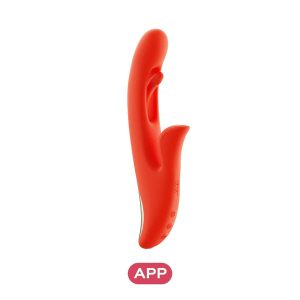
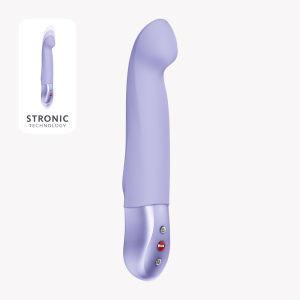
Internal vibrators vary much more than their product photos suggest. The useful comparison points are dimensions, shape, flexibility, motor placement, controls, material and whether the product is designed for internal-only or dual stimulation.
Look at dimensions before labels
Terms like compact, full-size and beginner-friendly are subjective. Compare insertable length and widest diameter, and remember that overall product length can include a handle or external arm.
Shape changes the experience
Straighter designs, curved designs and dual-stimulation shapes are intended for different kinds of contact. A pronounced curve may be useful for targeted pressure, while a simpler shape may be easier to position or clean.
Compare controls and motor placement
Check whether speed and patterns can be adjusted independently, where the buttons sit during use, and whether the motor is concentrated near the tip or spread through the body. These details often matter more than the number of modes listed on the box.
Material, charging and cleaning
Read the manufacturer’s material and care instructions, confirm the water-resistance rating, and check the charging method. For lubricant, follow both manufacturers’ compatibility guidance rather than assuming every formula works with every material.
A good internal vibrator is one whose size, shape and controls fit the way you want to use it. Compare those basics first and the product list becomes much easier to narrow down.