PLEASURE STANDARD / PRACTICAL GUIDE
Paddles vs. Floggers: A Beginner’s Guide to Impact Play
Learn how paddles and floggers differ in materials, handling, sensation, care, and consent-first safety before choosing an accessory.
Start with the intended use
Compare practical specifications
Check compatibility and care
Use manufacturer guidance
If you are browsing impact-play accessories for the first time, paddles and floggers can look interchangeable. They are not. A paddle usually has a relatively broad, unified contact surface; a flogger has multiple flexible tails that move separately. Those construction differences affect how the accessory handles and how predictable contact may feel. This guide focuses on product selection, informed consent and safety basics, not on escalating intensity.
What makes a paddle different?
A paddle is built around a single striking surface. Shape, width, thickness, flexibility and material all change how it moves and how easy it feels to control. A broad paddle is not necessarily gentle: design and force matter more than the product category name.
When comparing paddles, inspect the handle for a reliable grip and the body for smooth edges. Some designs use two materials or surfaces; read the listing carefully so you understand what is actually included. Avoid items with cracks, splinters or compromised seams.
What makes a flogger different?
A flogger typically has multiple straps or tails attached to one handle. The tails may be made of leather or other flexible materials. Their length, weight and construction affect how they move. A longer or heavier accessory can be harder for a novice to manage predictably.
Look at how securely tails are attached, whether ends are smooth and what the manufacturer recommends for care. A damaged attachment or tangled tails are reasons to retire the accessory rather than continue using it. Practice handling an item away from another person before considering any partner activity.
Consent comes before product choice
Partners should agree in advance about whether impact play is wanted at all, what kinds of contact are acceptable, and how to stop. A clear no, withdrawal of consent or stop word should end the activity immediately. Checking in once at the beginning is not enough.
Never use these products as punishment, coercion or a substitute for resolving conflict. If anyone is impaired, unable to communicate or unsure, do not proceed. A comfortable conversation about expectations and boundaries is part of responsible equipment use.
Important safety limits
Impact can cause bruising, tissue damage and other injuries. Avoid the head, neck, spine, kidneys, joints, abdomen and other vulnerable areas. Do not use an accessory on broken or irritated skin. People with bleeding disorders or medications that increase bleeding risk may face added hazards.
Stop immediately if there is unexpected pain, numbness, dizziness, skin injury or distress. This article is not a technique manual, and no accessory removes the risks. Beginners should favor education and clear limits over attempting advanced use.
Which materials are easiest to maintain?
Silicone, leather, faux leather and mixed-material accessories do not share one cleaning method. Some surfaces can be wiped as directed, while others need specialized care and must be kept dry. Always follow the product's instructions, especially for porous materials.
Store items so they do not bend out of shape or rub against sharp objects. Inspect attachment points and surfaces before every use. If a material begins flaking, develops rough edges or cannot be cleaned appropriately, replace it rather than improvising repairs.
How to compare actual products
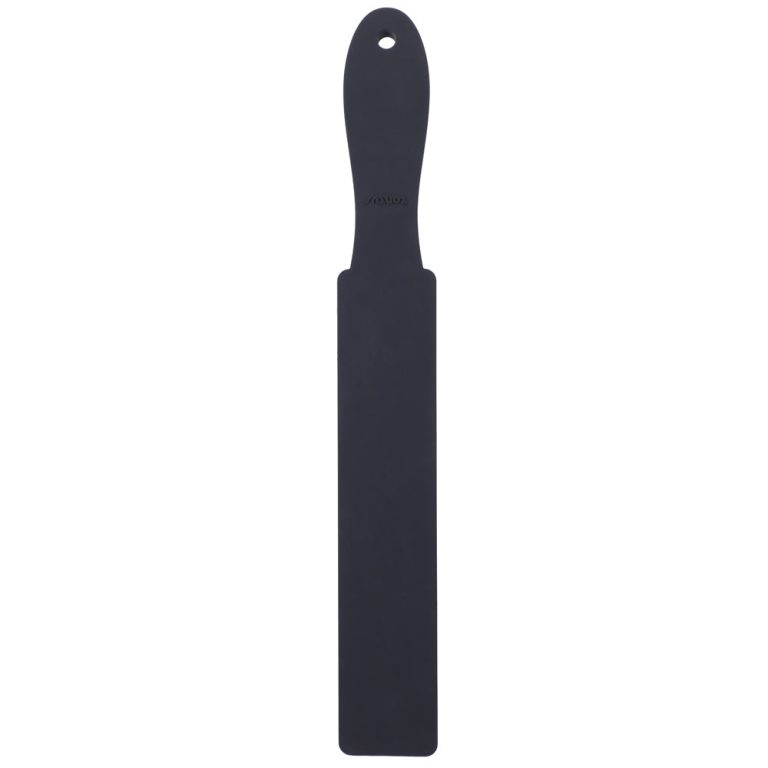
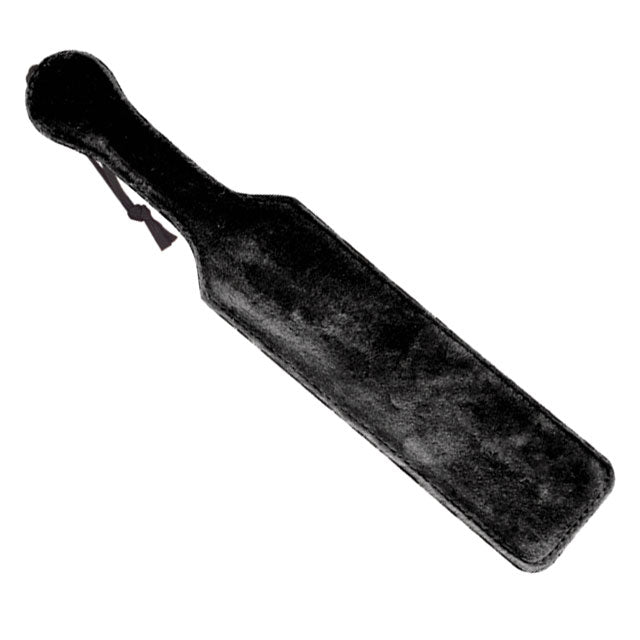
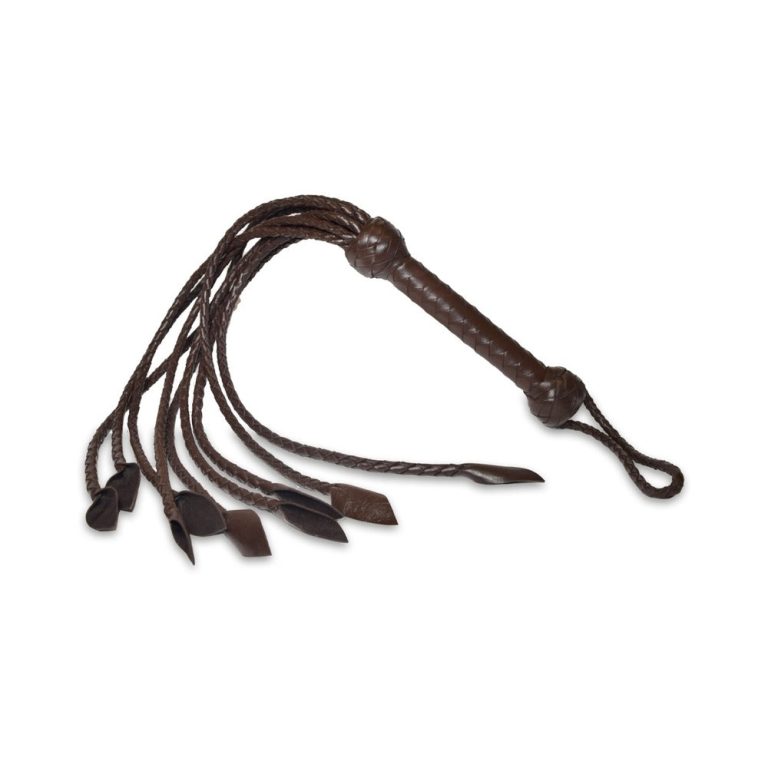
The Tantus Wham Bam Paddle offers one paddle design to investigate; the Sportsheets Dual-Sided Leather & Fur Paddle provides a contrasting surface construction. The Prowler RED Leather Flogger represents a different multi-tail category. Read each listing for dimensions and composition before deciding.
Do not assume that a higher price, heavier feel or more dramatic appearance makes a product more appropriate. For a first purchase, straightforward construction, clear care instructions and manageable dimensions are more meaningful decision factors.
Building a small, sensible collection
You do not need a drawer of accessories to learn what kinds of materials and designs appeal to you. Compare one or two options, understand their maintenance and keep the receipt or product care information for reference.
It may be helpful to start with non-impact sensory accessories instead. Exploring texture and communication with a blindfold or soft fabric often gives beginners a way to discover preferences without introducing the injury risks associated with striking accessories.
Products to compare
Tantus Wham Bam Paddle — Onyx: Compare specifications, material details and care instructions on the product listing before buying.
Sportsheets Dual-Sided Leather & Fur Paddle: Compare specifications, material details and care instructions on the product listing before buying.
Prowler RED Leather Flogger — Brown: Compare specifications, material details and care instructions on the product listing before buying.
Frequently asked questions
Does a soft-looking paddle guarantee a gentle experience? No. Materials and appearance cannot guarantee safety; the way an item is used and individual health factors affect risk.
Should beginners start with a flogger? There is no universal best first product. Choose only after understanding its construction, risks, care and how to communicate boundaries.
Continue learning
For more context, explore sensory play basics and consent-first equipment guidance. We recommend evaluating measurements, material specifications and safety guidance before purchasing any intimate product.