PLEASURE STANDARD / PRACTICAL GUIDE
Sensory Play for Beginners: Blindfolds, Textures and What to Expect
Discover beginner-friendly sensory play, comfortable blindfolds, texture accessories, communication tips, and simple ways to choose the right products.
Start with the intended use
Compare practical specifications
Check compatibility and care
Use manufacturer guidance
Sensory play is about exploring how different sensations feel, not about doing something complicated or extreme. A soft blindfold, an interesting fabric or a light touch accessory can make familiar experiences feel different. The most useful starting point is curiosity paired with clear communication: everyone should know what is being tried, what is off-limits, and how to stop immediately. This guide compares accessible options and explains what matters when shopping.
What counts as sensory play?
Sensory play uses sight, touch, temperature or sound to change how a person experiences ordinary contact. For a beginner, this can be as straightforward as wearing a comfortable eye mask while a partner describes what they are doing, or comparing the feel of soft fabric and a textured accessory on the arm. You do not need restraints or advanced gear.
Because the experience is subjective, one person's favorite texture may be distracting or unpleasant to someone else. Keep early experiments short and easily reversible. The goal is to discover preferences, not to tolerate discomfort or surprise.
Choose a comfortable blindfold
A good blindfold should block light as much as the wearer wants without putting pressure on the eyes or squeezing the head. Check the strap adjustment, material against the skin and whether it shifts when someone moves. A soft mask may feel more approachable than a tightly fitted blackout design.
Being unable to see changes the balance of control. Agree beforehand about what kinds of touch are welcome and whether the blindfolded person wants spoken cues. Remove the mask any time they request it; consent remains ongoing even when the activity began with an enthusiastic yes.
Think about texture, not intensity
Sensory accessories are not all designed to create the same feeling. Smooth satin tends to feel different from flexible textured material, and the weight and movement of an object influence the experience. Try comparing textures on non-sensitive areas first, with the other person's knowledge.
Look closely at edges, seams and care instructions. Choose accessories that are clean, free of damage and suitable for contact with skin. Avoid broken items, sharp edges or materials that trigger a known allergy. Light, predictable contact is often more useful for exploring preferences than dramatic changes.
Make communication part of the setup
Before starting, discuss boundaries, any sensory sensitivities and what the person wearing the blindfold will be able to hear. Some people prefer continuous verbal check-ins; others prefer short pauses. A clear stop word or ordinary phrase should mean the activity ends immediately.
Do not introduce an unexpected product, restraint or sensation after someone has agreed to a different activity. If one person feels uncertain, take off the blindfold and talk face-to-face. A relaxed conversation afterward helps clarify what was enjoyable and what should change next time.
Consider privacy, access and mobility
Choose a stable, familiar space with no tripping hazards and leave enough room for easy movement. Anyone relying on glasses, mobility aids or other equipment should be able to access them quickly. Avoid settings where someone cannot comfortably change position or leave.
If privacy is important, look for small accessories that store neatly and are easy to clean. A mask with simple care instructions may prove more practical than a delicate product that requires special storage. For shared items, follow the manufacturer's cleaning advice between users.
How to compare beginner products
The Ouch! Satin Eye Mask is an example of a simple fabric-first option, while the Temptasia Ardor Blindfold gives shoppers another style to compare. The Sportsheets Sensory Fingertips product introduces a different texture-focused accessory. Evaluate each for materials, fit and cleaning rather than assuming one is universally better.
An inexpensive standalone blindfold can be a more manageable first purchase than a large set. If you are comparing a kit, confirm which components you actually want and whether the instructions and materials suit everyone involved.
Care and what to avoid
Check tags or product details before cleaning fabric or specialty accessories; washing methods vary by construction. Let cleaned items dry fully before storing them, and separate delicate materials from objects that could snag them. Inspect straps and seams regularly.
Avoid covering the nose or mouth, restricting breathing, or using a blindfold to prevent someone from communicating. Never combine sensory restriction with situations where balance, circulation or awareness of surroundings is essential. Comfort and the ability to stop matter more than novelty.
Products to compare
Ouch! Satin Eye Mask — Six Colors: Compare specifications, material details and care instructions on the product listing before buying.
Temptasia Ardor Blindfold — Pink / Black: Compare specifications, material details and care instructions on the product listing before buying.
Sportsheets Sex & Mischief Sensory Fingertips — Black: Compare specifications, material details and care instructions on the product listing before buying.
-
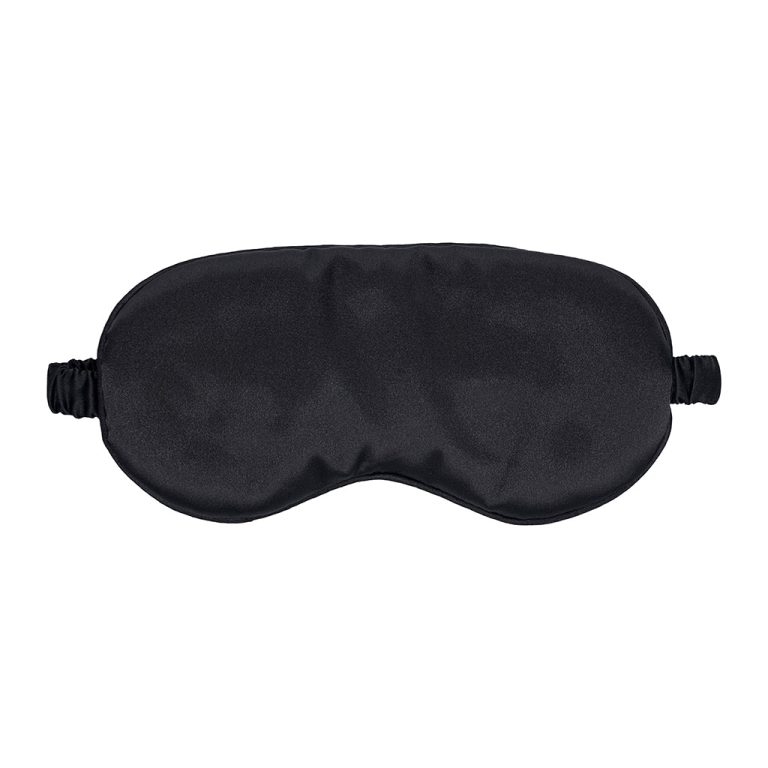
Ouch! Satin Eye Mask — Six Colors
$7.90 Select options This product has multiple variants. The options may be chosen on the product page -
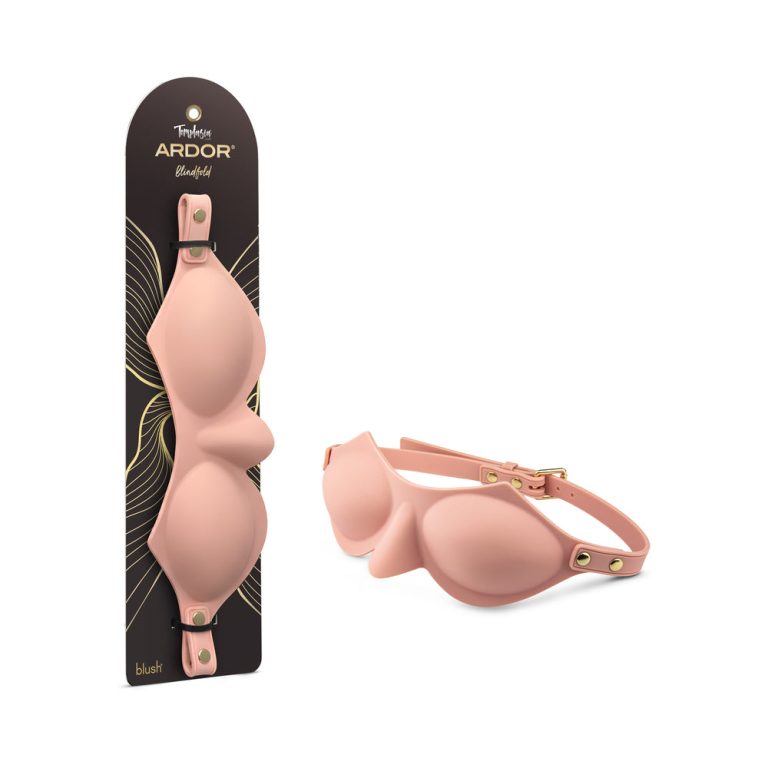
Temptasia Ardor Blindfold — Pink / Black
$25.99 Select options This product has multiple variants. The options may be chosen on the product page -
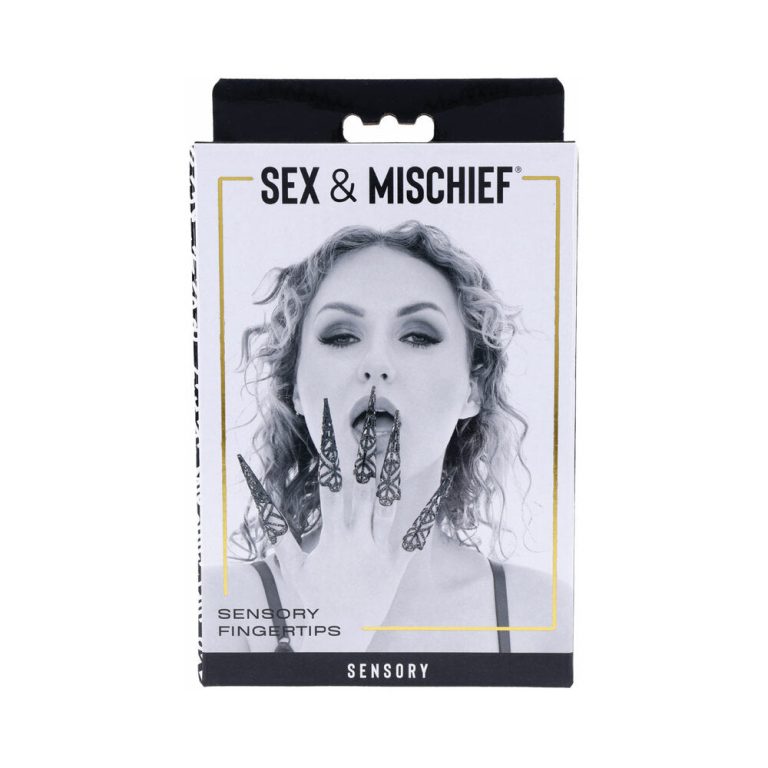
Sportsheets Sex & Mischief Sensory Fingertips — Black
$16.99 Add to cart
Frequently asked questions
Is a blindfold necessary for sensory play? No. Changing textures, using a soft cloth, or focusing attention on different sensations can be sensory play without removing sight.
What should a beginner buy first? A comfortable, easy-to-remove blindfold or one simple texture accessory is usually easier to evaluate than a complex bundle.
Continue learning
For more context, explore beginner restraint safety and safe sharing and hygiene. We recommend evaluating measurements, material specifications and safety guidance before purchasing any intimate product.