PLEASURE STANDARD / PRACTICAL GUIDE
Soft Cuffs vs. Under-the-Bed Restraints: Which Is Right for You?
Compare soft cuffs and under-the-bed restraint systems on fit, adjustability, quick release, comfort, care, and beginner safety.
Start with the intended use
Compare practical specifications
Check compatibility and care
Use manufacturer guidance
Soft wrist cuffs and under-the-bed restraint systems may appear in the same shopping category, but they solve different problems. Cuffs are wearable accessories; under-the-bed systems combine anchor straps with attachment points and typically require more setup. Neither is automatically more comfortable or beginner-friendly. Product design, quick access to releases, fit and informed consent should guide the decision—not how elaborate a product looks in photos.
The practical difference between the two
Soft cuffs are generally worn around a wrist or ankle and may connect to a strap, clip or other accessory. Their most important features are the surface against the skin, adjustment range and how quickly the fastening can be opened. A pair of cuffs is also easier to inspect and store than a multi-piece system.
Under-the-bed restraint systems typically route straps underneath a mattress, leaving attachment points accessible around the bed. They can create more arrangement options but depend on mattress setup, strap reach and connection hardware. Always review the manufacturer's supplied configuration rather than improvising anchor points.
How fit and comfort differ
With cuffs, fit matters more than decorative appearance. A cuff should not pinch, dig into the skin or cause numbness. Check whether the closure stays secure as intended while still being easy for a supervising partner to release. Thick padding is not a substitute for the right size.
For under-the-bed systems, the placement of straps and attachment points affects comfort and range of movement. Check that hardware cannot press into the person or become trapped under furniture. Choose stable surroundings and allow for changes in position without twisting or pulling at the joints.
Quick release is not optional
A safe setup needs a way to stop and release restraint immediately. Before any use, test each buckle, fastening and connection with no one wearing the equipment. Everyone should understand the release sequence and keep a means of release within reach.
Never rely on a phone app, key that could be misplaced or complicated knot as the only way out. Do not leave someone restrained alone, asleep or unable to communicate. Avoid restraint that interferes with breathing, circulation or the ability to respond to discomfort.
Materials and cleaning
Fabric, velvet, faux leather and nylon each have different cleaning and drying requirements. Soft material can still have rough stitching, and hardware can develop sharp edges if damaged. Check product care labels and allow washed items to dry before putting them away.
If equipment is shared, cleanliness and any applicable barrier practices matter. Look for washable contact surfaces when possible. Storage should prevent straps from tangling, and a quick condition check before each use can catch damaged stitching or fastenings.
What beginners should choose
If the goal is to learn what cuff fit feels like and practice clear boundaries, a simple soft cuff can be easier to evaluate. It has fewer components, requires less setup and makes it obvious what needs inspecting. An under-the-bed system makes more sense when someone already understands cuffs and wants a larger arrangement.
Start with the least complicated option compatible with the intended activity. The biggest upgrade is not extra hardware; it is having equipment that fits, clear communication and a reliable stop-and-release procedure.
Products to compare
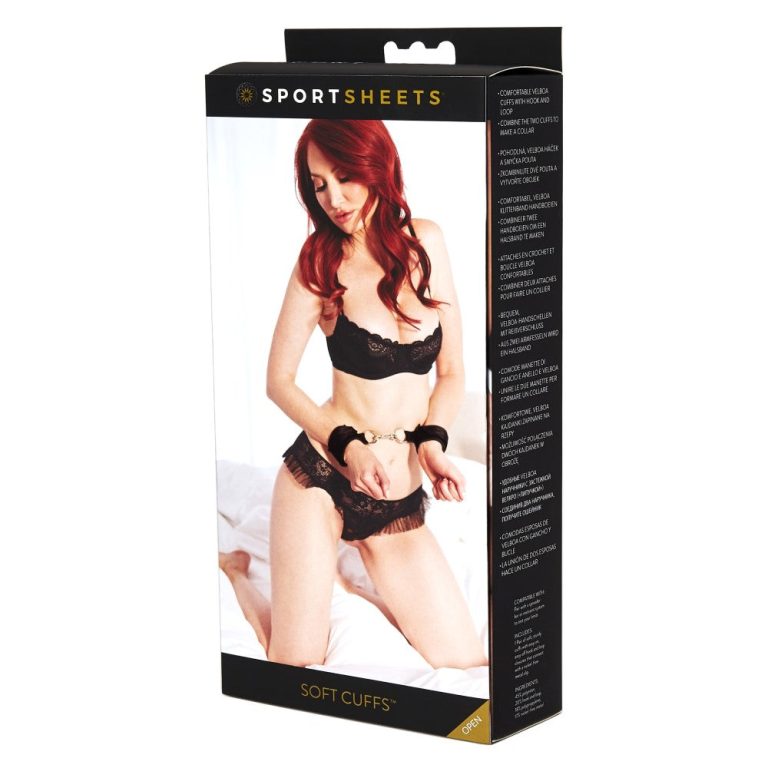
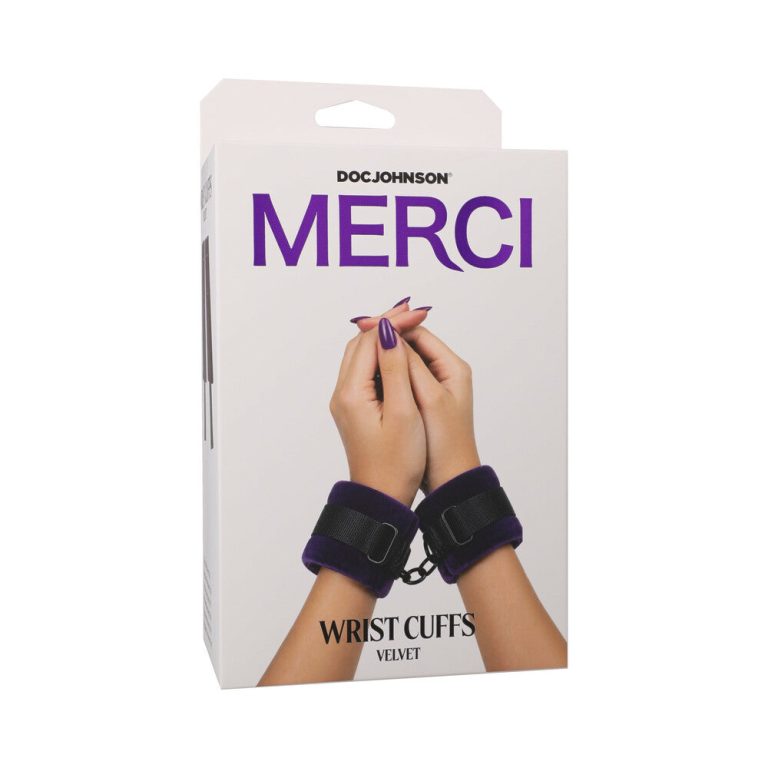
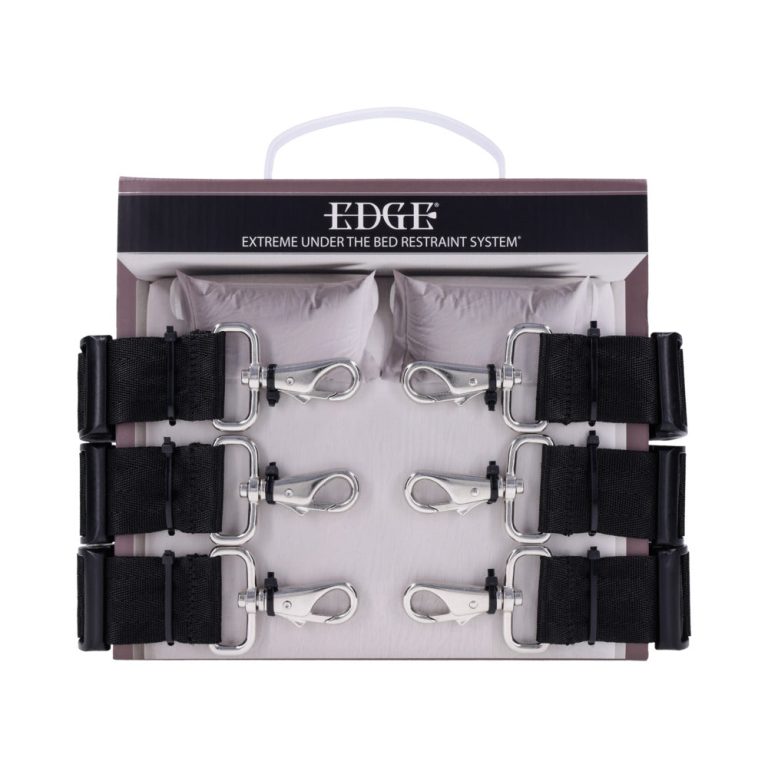
Sportsheets Soft Cuffs use a Velcro-style design, while Merci Velvet Wrist Cuffs offer a different soft-surface option. Sportsheets Edge Extreme Under the Bed Restraint System illustrates the larger system category. Compare their actual product descriptions for connection hardware, measurements and cleaning requirements.
When shopping for a system, confirm exactly which cuffs and connectors are included. A product photograph can show accessories that are not part of a particular package. Use the specification details rather than assuming universal compatibility.
A useful pre-use checklist
Talk about acceptable movement and where contact is off-limits. Examine all straps and hardware. Confirm that the person can communicate clearly, that the release works without tools or delay, and that someone remains attentive throughout.
If fingers change color, someone feels tingling or numbness, or a strap becomes uncomfortable, release it immediately. Stop rather than repeatedly tightening or trying to push past an issue. Equipment should support confidence and comfort, not remove either one.
Products to compare
Sportsheets Soft Cuffs with Velcro Straps — Black: Compare specifications, material details and care instructions on the product listing before buying.
Merci Velvet Wrist Cuffs — Violet/Black: Compare specifications, material details and care instructions on the product listing before buying.
Sportsheets Edge Extreme Under the Bed Restraint System: Compare specifications, material details and care instructions on the product listing before buying.
Frequently asked questions
Are under-the-bed restraints safer than cuffs? Not inherently. Both require appropriate fit, a reliable release, clear consent and attentive supervision; complexity can introduce additional points to check.
Can I use cuffs with any restraint system? Not necessarily. Attachment hardware and manufacturer recommendations vary, so verify compatibility before combining products.
Continue learning
For more context, explore beginner restraint kit safety and sensory play basics. We recommend evaluating measurements, material specifications and safety guidance before purchasing any intimate product.