PLEASURE STANDARD / PRACTICAL GUIDE
Vibrating vs. Thrusting vs. Non-Vibrating Dildos: What Changes?
Compare non-vibrating, vibrating, and thrusting dildos by controls, movement, noise, cleaning, power, weight, size and practical fit.
Start with the intended use
Compare practical specifications
Check compatibility and care
Use manufacturer guidance
A dildo's movement style can affect its maintenance, noise, controls and day-to-day practicality just as much as its shape. Non-vibrating models have no motor. Vibrating models add vibration, while thrusting models use powered movement that may change how they feel and how much room they require. Before shopping, think about the features you actually want and the setup you are comfortable maintaining. More technology does not automatically mean a better purchase.
Non-vibrating: the simpler category
A non-vibrating dildo has no powered movement or battery to manage. That removes charging, motor noise and electronic controls from the decision. Selection focuses on shape, measurements, surface material, firmness and whether the design has a stable base when one is needed.
Simplicity can also make cleaning easier, but the product material still matters. Silicone, glass and other materials have different care instructions. A non-powered model is not inherently safer if it is the wrong size or lacks an appropriate base for its intended use.
Vibrating: adding a motor and controls
A vibrating dildo adds a powered sensation without necessarily changing its position or shape. The practical questions become how the intensity adjusts, whether the controls are intuitive, how it charges or uses batteries and what the manufacturer says about cleaning and water resistance.
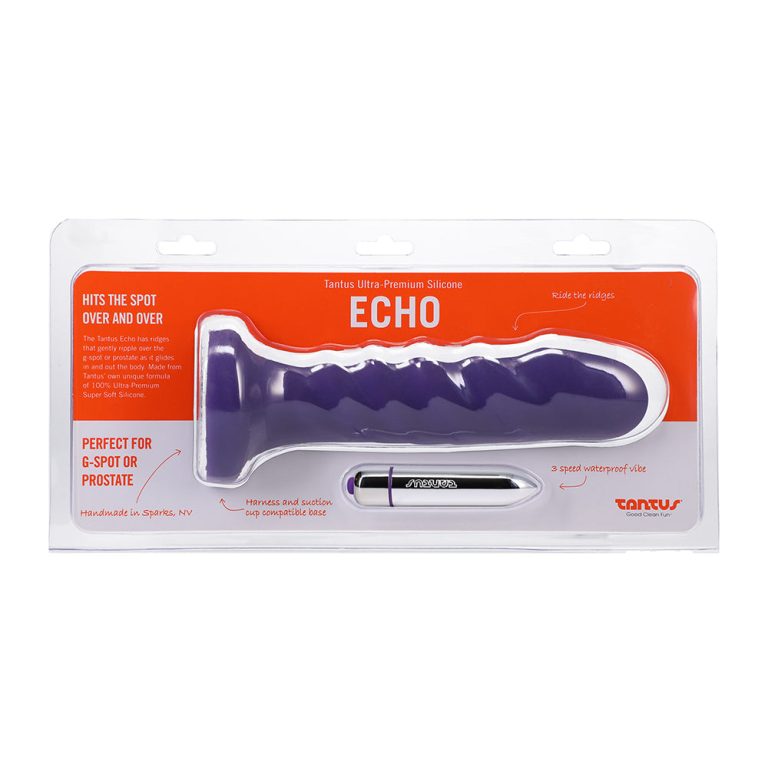
The Tantus Echo Vibrating Dildo is an example to compare in this category. Read the current listing for its exact controls and specifications; never assume all vibrating dildos offer the same modes, noise level or waterproof rating.
Thrusting: powered mechanical motion
A thrusting dildo uses a mechanism that produces a repeated movement rather than vibration alone. That introduces additional considerations: moving parts, mechanism noise, available clearance, stability and how the device responds when resistance changes. A thrusting design can feel substantially different from a non-moving model.
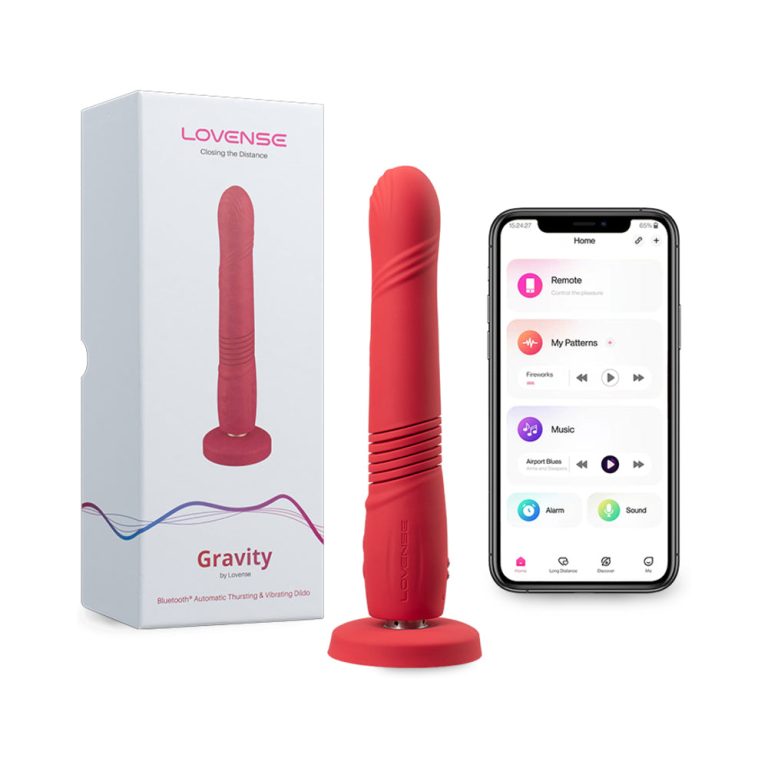
Lovense Gravity Thrusting Dildo is one catalog example. Check its product documentation for operating modes, power source, cleaning limits and instructions on stopping motion promptly. Do not use a powered device that behaves unexpectedly or develops a mechanical fault.
Compare shape and dimensions separately
Motion type and fit are separate decisions. A device with appealing controls can still be a poor match if its insertable length, widest diameter or curvature is not comfortable. Compare measurements before weighing optional features. Overall length and insertable length are not interchangeable.
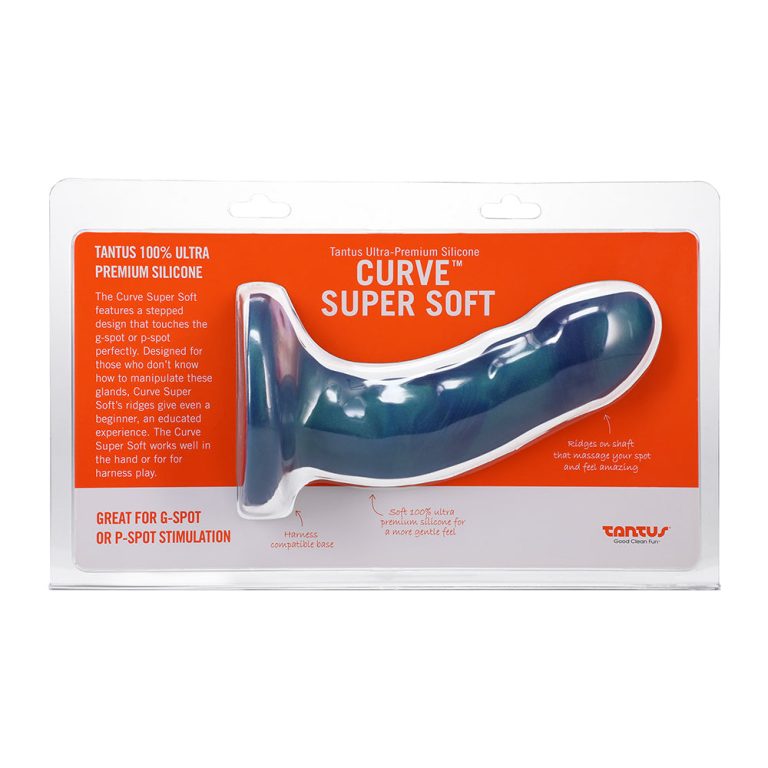
Soft or curved designs may distribute pressure differently from straight or firmer models, but no shape suits everyone. Tantus Curve provides a non-vibrating reference point when thinking about a simpler option. Choose size conservatively and never force uncomfortable insertion.
Noise, privacy and charging
A non-powered product has no motor noise; powered devices vary greatly by mechanism, surface and surroundings. Published sound ratings may use different testing conditions. If discretion matters, look for verified customer details and realistic expectations rather than treating quiet as absolute silence.
Rechargeable models need charging space, cables and battery maintenance. Replaceable-battery options have a different convenience profile. Check whether a powered item has a travel lock and whether those features are documented rather than assumed.
Cleaning and water resistance
A smooth non-powered product may have fewer seams, while powered devices can have charging ports, moving sections or non-removable electronic parts. Follow the exact manufacturer's cleaning instructions and do not submerge equipment unless the stated protection rating and directions allow it.
Inspect silicone or other surfaces for damage before use. A failing motor, loose seam, unusual heat or damaged charging port is a reason to stop using the device. Store clean, dry products separately as recommended.
Make the choice by feature priority
Choose non-vibrating if you value simple operation and minimal electronics. Compare vibrating models if adjustable vibration is the specific feature you want. Research thrusting options if powered motion itself is the main appeal and you are comfortable with added maintenance.
Budget for the entire purchase, not just the headline device price. Cleaning supplies, compatible lubricant and practical storage may be useful, while an unnecessary accessory or complicated control setup can reduce value.
Products to compare
Tantus Curve 6.5 in. Dildo Soft Malachite: Review the product’s listed measurements, materials, included components and care instructions to decide whether it suits your needs.
Tantus Echo Vibrating Dildo Amethyst: Review the product’s listed measurements, materials, included components and care instructions to decide whether it suits your needs.
Lovense Gravity Thrusting Dildo: Review the product’s listed measurements, materials, included components and care instructions to decide whether it suits your needs.
Frequently asked questions
Is a thrusting dildo just a stronger vibrator? No. Thrusting describes a kind of mechanical movement, while vibration describes oscillating sensation; some products may combine features.
Are all vibrating products waterproof? No. Check the exact rating and manufacturer's care instructions before exposing electronics to water.
Continue learning
For more information, read dildo size guide and charging and battery comparisons. Check current product specifications before purchasing; features and availability can change.