PLEASURE STANDARD / PRACTICAL GUIDE
Kegel Balls and Pelvic Floor Trainers: Types, Sizing and Safety
Understand pelvic floor trainer products, what size and material details matter, cleaning and safety, and why symptoms sometimes call for relaxation or clinical care.
Start with the intended use
Compare practical specifications
Check compatibility and care
Use manufacturer guidance
Kegel balls and pelvic floor trainers are frequently marketed as simple tools for better pelvic health. The reality is more nuanced: pelvic floor symptoms can reflect weakness, excess tension, coordination difficulties or other conditions, and strengthening is not right for everyone. A device cannot diagnose the cause. This guide explains what these products are, how to compare construction and sizing, and when a pelvic floor physical therapist or healthcare professional is the more helpful first step.
What are Kegel balls and trainers?
These products are generally small, wearable pelvic floor accessories intended for vaginal use, with variations in weight, size and construction. Some sets offer multiple pieces so shoppers can compare design and fit. Their presence in a store does not mean every person would benefit from using one.
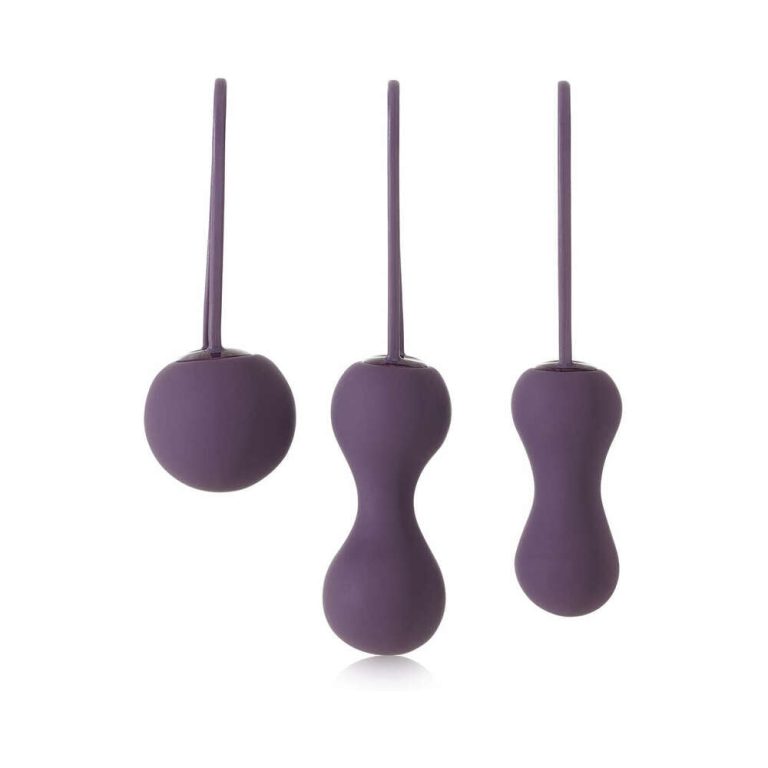
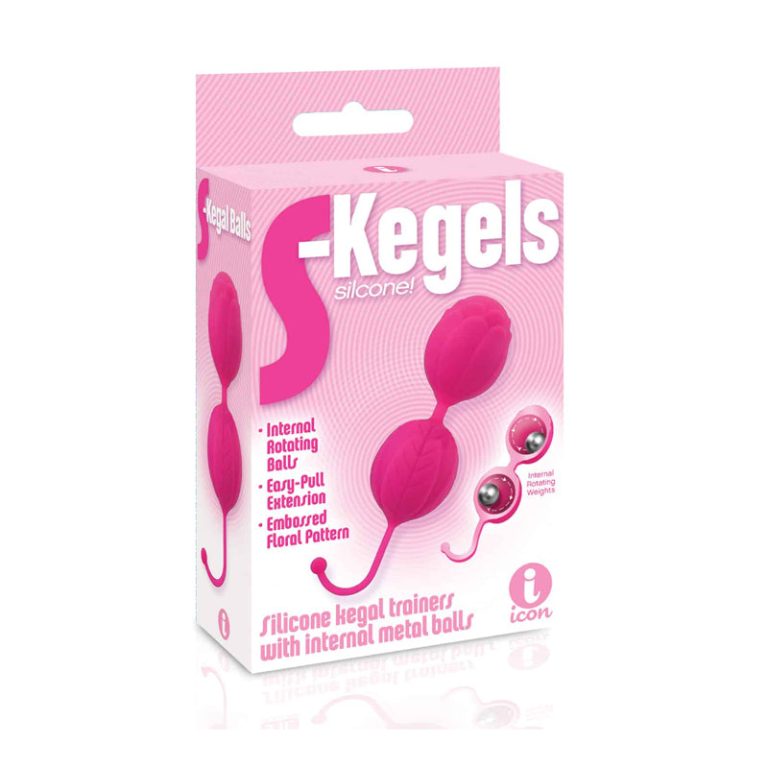
The Je Joue Ami Three-Piece Silicone Kegel Set and The 9's S-Kegel Silicone Kegel Balls illustrate two available product formats. Read each listing for intended use, dimensions, materials and how the products are retrieved.
Pelvic floor strength is only one part of health
The pelvic floor supports pelvic organs and contributes to bladder and bowel function. Effective function involves both contracting and relaxing muscles at appropriate times. Symptoms such as pain, urgency, leakage or difficulty emptying do not automatically mean the muscles need more strengthening.
For someone with a very tense or painful pelvic floor, unsupervised strengthening work may aggravate symptoms. A trained pelvic floor physical therapist can assess strength, tension and coordination and recommend individualized exercises or relaxation strategies.
How to compare sizes and weights
Check the widest diameter, total size and weight of each piece rather than choosing only by a beginner or advanced label. A smaller device is not necessarily easier to use, and a heavier device is not automatically more effective. Individual anatomy, comfort and medical history vary.
Choose products with clearly described materials and a reliable method of removal. Avoid an item that is painful, difficult to retrieve or irritating to the skin. Never use improvised weights or objects instead of products designed for the intended purpose.
Why material quality and hygiene matter
Nonporous materials with accessible cleaning instructions are easier to maintain. Read the manufacturer's guidance for silicone, seals, seams and any retrieval cords. Not all parts can necessarily be boiled or exposed to harsh cleaners.
Wash as directed before and after use, allow thorough drying and store in a clean, separate pouch. Do not share products without careful attention to hygiene. Discontinue use if a surface tears, becomes tacky unexpectedly or shows damage.
When to avoid self-directed use
Seek clinical guidance before using a trainer if you have pelvic pain, a recent surgery, childbirth-related complications, unexplained bleeding, recurrent infections or symptoms that worsen with exercise. Pregnancy and postpartum care should follow recommendations from your own clinician.
A device should never be used to push through pain or discomfort. Stop for irritation, pressure, burning or other unexpected symptoms. Pelvic health should be approached as healthcare when symptoms are present, not as a challenge to progress to a heavier product.
What should a product description tell you?
Look for full dimensions and weights, material composition, retrieval details, cleaning method and any wear-time recommendations. Be cautious of broad claims that a particular product will cure leakage, improve sexual response or prevent prolapse. Those results cannot be guaranteed by a retail listing.
If you already have a personalized exercise plan from a clinician, you can ask whether a specific device is appropriate for it. The best product may be no product at all; muscle relaxation, coordination training or other treatment may be the recommended starting point.
Choosing responsibly
For shoppers who have been advised that a trainer is suitable, compare straightforward designs and instructions rather than buying by the heaviest weight or largest kit. Confirm the store's hygiene and returns policies before purchase.
A pelvic floor trainer is an optional tool, not a measure of fitness or health. Careful sizing, realistic expectations and professional evaluation when needed are the most important parts of an informed choice.
Products to compare
Je Joue Ami Three-Piece Silicone Kegel Set — Purple: Review the product’s listed measurements, materials, included components and care instructions to decide whether it suits your needs.
The 9's S-Kegel Silicone Kegel Balls — Pink: Review the product’s listed measurements, materials, included components and care instructions to decide whether it suits your needs.
Frequently asked questions
Will Kegel balls cure urinary incontinence? No product can promise a cure. The right treatment depends on the cause, and a healthcare professional can assess symptoms.
Can pelvic floor exercises make symptoms worse? They may if the muscles are overly tense or the exercises are inappropriate; seek individualized assessment if you experience pain or worsening symptoms.
Continue learning
For more information, read comfort considerations in midlife and materials and safe care. Check current product specifications before purchasing; features and availability can change.