PLEASURE STANDARD / PRACTICAL GUIDE
A Practical Guide to Sex-Toy Materials
A practical comparison of silicone, ABS plastic, glass and metal — focused on feel, flexibility, care and what product labels actually tell you.
Look for the named material
Material changes feel and flexibility
Care instructions still matter
“Body-safe” is not enough detail by itself
Material comparison
| Silicone | ABS plastic | Glass | Stainless steel | |
|---|---|---|---|---|
| Typical feel | Soft to firm depending on formulation | Hard and smooth | Rigid and smooth | Rigid and smooth |
| Flexibility | Varies | Rigid | Rigid | Rigid |
| Care lens | Follow manufacturer cleaning guidance | Check water-resistance and seams | Inspect for damage | Follow manufacturer cleaning guidance |
| Buying lens | Named silicone type + finish | Housing quality + construction | Quality + condition | Grade + finish |
The material changes more than the surface feel.
Use the material name as the beginning of the comparison, then look at construction, flexibility, care and product-specific instructions.
Flexibility varies by formulation.
Look for the actual material description and manufacturer care guidance.Common for housings and rigid shapes.
Water resistance and construction determine how easy it is to clean.No flex; condition matters.
Inspect for damage and follow manufacturer care instructions.Smooth, non-flexing construction.
Grade, finish and manufacturer guidance matter.Examples worth comparing
These are examples to make the guide more concrete — use the specs and notes above to decide what fits your needs.
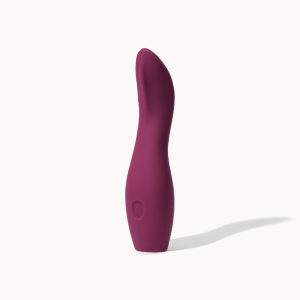

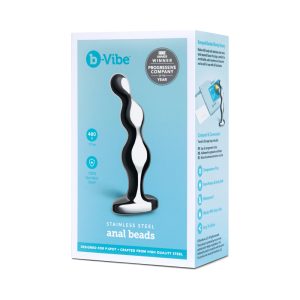
Product material matters because it affects feel, cleaning, durability, and compatibility with lubricants and other products.
Start with the actual material
Look for specific materials such as platinum-cured silicone, ABS plastic, borosilicate glass, or stainless steel rather than vague labels alone.
Silicone
Quality silicone is nonporous, soft or flexible depending on formulation, and widely used in premium products. Follow the manufacturer’s cleaning and lubricant guidance.
ABS plastic
ABS is a hard, smooth plastic commonly used for housings and rigid toys. It is easy to clean when the product is designed to be waterproof or splash resistant.
Glass and metal
Glass and stainless steel are rigid, smooth materials that can offer a very different sensation from soft materials. Always inspect glass products for damage before use.
What “body-safe” should mean in practice
Treat “body-safe” as a starting point, not the whole answer. Check the named material, cleaning instructions, intended use, and manufacturer guidance.